-
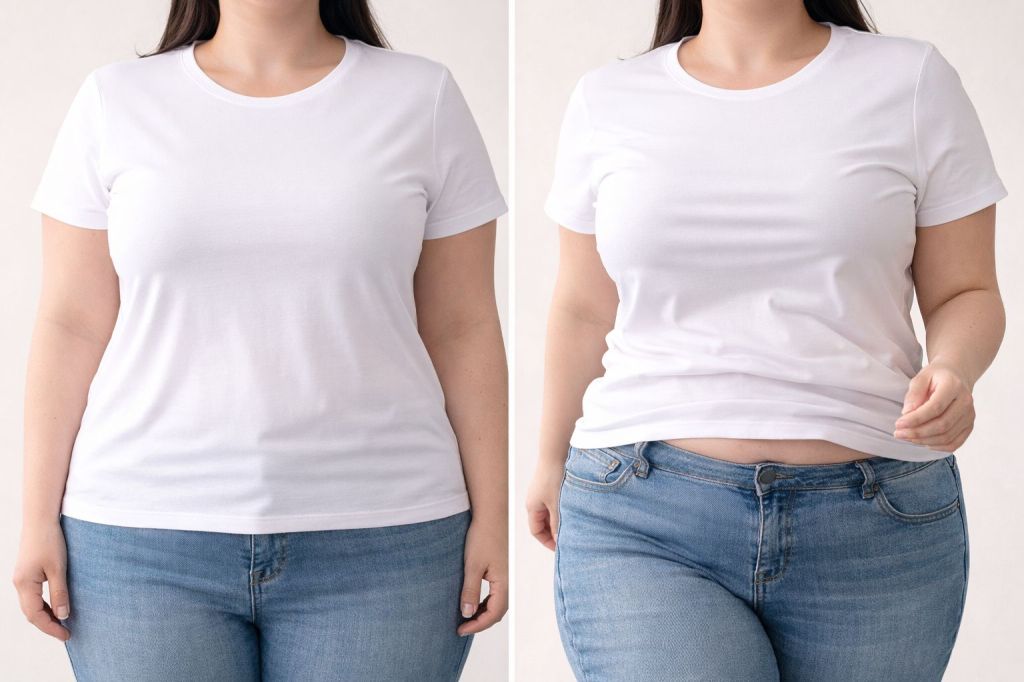
Bust pull and the problem of forward shift
This article explains how to identify bust pull before purchasing clothing. Bust pull, often unnoticed in fitting rooms, manifests when a garment moves with the body. Key indicators include a shrinking front hem, shifting necklines, horizontal tension across the bust, and sleeve rotation. Recognizing these signs improves fitting decisions.
-

Why clothes that look fine in the mirror fail in real life
Many clothes are designed to look right in a mirror, not to function in real life. This article breaks down why garments that appear fine when you try them on often fail once you move — and what actually helps reduce that failure.
-
When “Your Size” isn’t Your Size
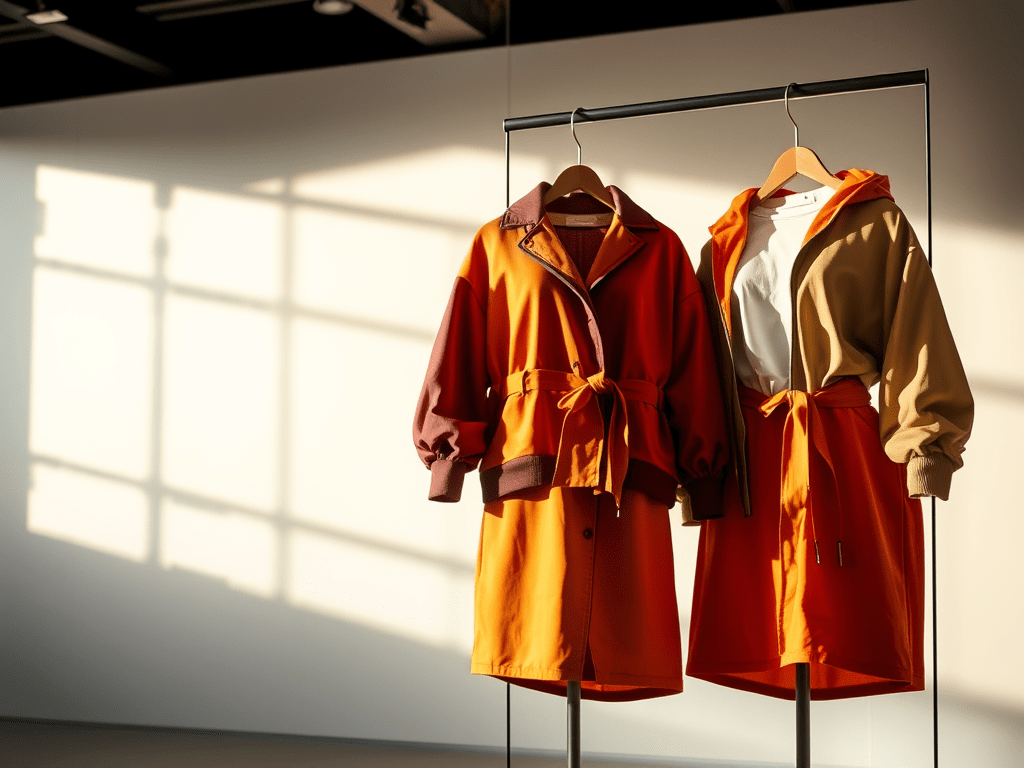
Size labels often mislead plus-size shoppers, as clothes fail to fit consistently at the bust, waist, or hips. This is due to the assumption that bodies expand evenly, while real bodies can have concentrated fullness. Understanding garment construction rather than just size is essential for better fit and comfort.
-
Five common body distribution patterns — and why most bodies don’t fit just one
This article explores body shape in plus-size fashion, emphasizing the importance of volume distribution rather than fitting bodies into categories. It describes common distributions such as bust, waist, hip, upper-body, and balanced shapes, acknowledging overlaps. Understanding these patterns sets the stage for future discussions on clothing fit and garment interaction.
-
Subscribe
Subscribed
Already have a WordPress.com account? Log in now.
 WeAllPS